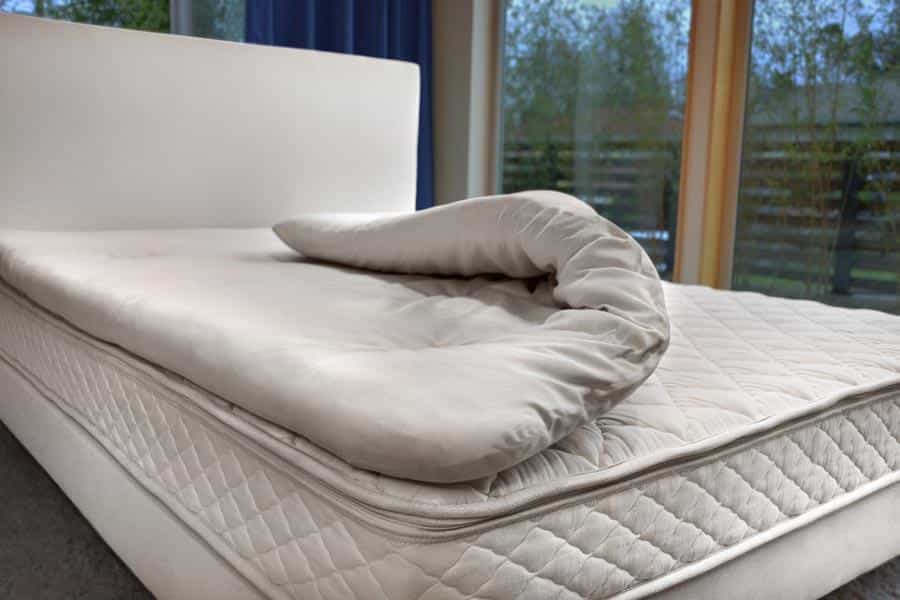
A mattress topper category explores ergonomic enhancements that improve comfort, support, and longevity of bedding environments. By adding a high-quality topper, sleepers can adjust firmness, temperature regulation, and surface feel without replacing the underlying mattress. This guide highlights how toppers function, materials to consider, and practical benefits for different sleeping styles and health needs.
Key features of mattress toppers include material composition, thickness, and fill technology. Innerspring compatibility often benefits from toppers that balance contouring with support, while breathable fabrics and moisture-wicking covers help regulate temperature. Understanding density, loft, and resilience assists in selecting a topper that preserves spinal alignment and overall sleep quality.
Natural and organic options emphasize safety and sustainability, with materials like organic latex and natural fibers offering durable, hypoallergenic surfaces. For example, Organic Latex Topper - 3" provides responsive support and pressure relief, while Natural Child's Crib Mattress Topper focuses on infant-safe, breathable cushioning that supports restful sleep for little ones.
Specialized toppers, such as Organic Shikibuton - Latex 3.5", combine traditional futon construction with modern latex resilience. These products deliver a medium-to-firm feel and enhanced air circulation, making them suitable for layered setups or as standalone sleeping surfaces in smaller rooms. Proper care extends service life and preserves comfort.
For comprehensive bedding education, consider how toppers interact with existing pillows, bedding materials, and seasonal needs. Keywords like bedding, organic mattresses, latex, and natural latex organic mattresses reflect core considerations in selecting an appropriate topper that aligns with health, comfort, and sleep architecture across diverse users and environments.
 Bedding