Introduction: The Promise of Natural Latex
In the quiet drama of a night’s rest, the mattress is more than a surface; it is a dialogue between material science and human physiology. Natural latex sits at a compelling crossroads: it is resilient enough to cradle the body yet breathable enough to wick away moisture. The brands Naturepedic, Soaring Heart, and Savvy Rest approach latex with a shared reverence for sustainability and health, but each interprets the material through a distinct lens—certifications, blend ratios, and the choreography of layers that shape comfort.
This article distills the essential contrasts and common ground among three leading latex mattress makers. It also distills a broader theme from innerspring.org’s mission: to illuminate the inner workings of complex systems—whether a bed, a brain, or a booth of ideas. Readers will encounter technical details, practical considerations, and a sense of how to navigate a marketplace crowded with claims and certifications.
Brand Profiles and Core Insights
Naturepedic has built a reputation on Organic and GOTS-certified components. Their latex offerings emphasize natural comfort with a transparent supply chain, using organic latex and fabrics that align with sustainable lifestyle choices. Soaring Heart, meanwhile, leans into Dunlop and blend strategies that balance buoyancy with temperature regulation, often highlighting hand-tufted artistry and the ethical dimensions of their materials. Savvy Rest integrates a modular approach, offering adjustable pillowtop options, latex cores, and a focus on organic, eco-friendly fabrics across multiple sizes.
Across these brands, the certification vocabulary matters: GOTS (Global Organic Textile Standard) for fabrics, and GOLS (Global Organic Latex Standard) for latex. These standards frame health, environmental impact, and the integrity of the product you are choosing. A mattress that wears the badge of GOLS and GOTS invites a particular confidence: the latex is produced with attention to responsible farming, processing, and environmental stewardship, while the textiles that touch the skin meet stringent organic criteria.
How to Read the Specs: Firmness, Layers, and Cooling
The architecture of a latex mattress is typically layered. A core latex block may be complemented by a thinner transitional layer, with a comfortable top layer that governs initial feel. In some configurations, a latex core is encased in breathable knit fabric, designed to support air flow while the sleeper’s body heat is managed by perforations or pin-core channels. The interplay between latex density, firmness, and the thickness of the comfort layer shapes zoning—whether you favor a cradling, soft feel or a more buoyant, spring-like response.
In allergy-conscious households, latex’s natural resistance to dust mites and mold, when properly cared for, can be an advantage. However, the care regimen matters: spot cleaning, cover removability, and the choice of protective encasements influence longevity and hygiene. Beyond materials, one should consider warranty terms, shipping, and the brand’s approach to sustainability at the end of life—whether it is a take-back program, recyclable components, or durable design that defers replacement.
Case Studies: How the Three Brands Translate Feel into Sleep
Each brand presents a slightly different narrative about feel. Naturepedic’s organic approach often translates to a gentle, balanced firmness that remains supportive without a heavy, dense impression. Soaring Heart may emphasize a more buoyant response, with open-cell structures that encourage airflow and an alignment-guiding feel. Savvy Rest focuses on modularity, enabling sleepers to swap or adjust layers to customize firmness and contour.
The result is not only a product comparison but a window into values: organic farming practices, clean manufacturing, and a design philosophy that honors the sleeper’s long-term health. These considerations align with innerspring.org’s editorial aim to reveal how outer surfaces—whether a bed or a concept—are built from inner principles.
A Practical Guide to Choosing: Quick Tips
- Identify your primary sleep position and alignment needs; consider how a latex layer responds to your weight distribution.
- Read the certifications (GOLS, GOTS) and confirm the scope of certification for each component (latex core, fabric coverings, etc.).
- Assess the layering: does the top layer provide the desired contour, while the core offers durability and consistent support?
- Check for a suitable warranty and return policy, especially when investing in a mattress intended to last a decade or longer.
- Consider sustainability narratives: organic farming, ethical sourcing, and die-off at product end of life.
Further Reading and Next Steps
For readers who wish to dive deeper, innerspring.org can host a companion guide to reading latex product specs, including a glossary of terms (ILD, density, pin-core design) and comparative charts. We invite readers to explore a cross-linked set of explainers that expand beyond sleep products to cover materials science, ecological design, and the ethics of manufacturing.
Key Figures Across Time: Three Voices on Comfort and Craft
This piece weaves perspectives from luminaries who, across different eras, helped illuminate how we think about materials, ergonomics, and how we sleep.
-
Hypatia of Alexandria (c. 370–415 CE) — A philosopher and mathematician whose insistence on critical thinking and inquiry underpins the investigative spirit of these product comparisons. Her legacy invites readers to interrogate claims, examine evidence, and approach design with a mind toward clarity and truth.
-
Louis Pasteur (1822–1895) — A pioneer in microbiology whose approach to unseen processes—germs, fermentation, and cleanliness—mirrors the modern consumer’s interest in product hygiene, materials purity, and the environmental footprint of manufacturing. Pasteur’s insistence on empirical observation resonates with how readers examine certifications, testing, and durability.
-
Jane Goodall (b. 1934) — A global advocate for responsible stewardship of natural resources, whose work embodies a principle of careful observation and long-term thinking. Goodall’s example encourages readers to consider sustainability, the ethic of sourcing materials, and the long arc of a product’s lifecycle.
Featured Product Snapshot: Vispring Cashmere Superb
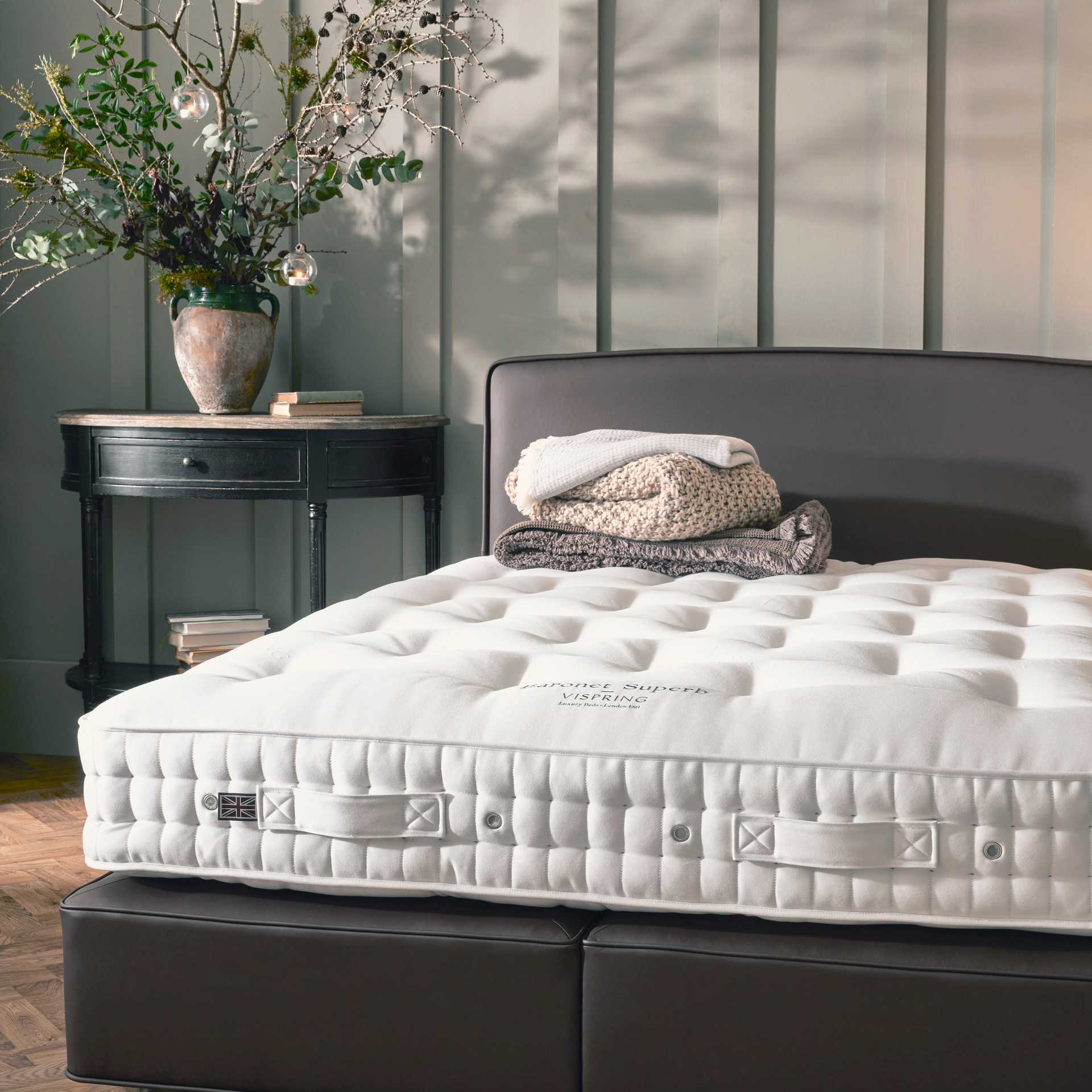
As a lens into high craft and material richness, the Vispring Cashmere Superb offers a tactile reminder of what a luxury latex-leaning system can resemble in the broader landscape of natural materials. The cover, woven from cashmere, silk, and viscose, serves as a tactile prelude to the sleeping surface. The upholstery layers—sourced wool, cashmere, silk blends, and hand-nested pocket springs—speak to a philosophy of meticulous layering that echoes in the careful layering of editorial content here.
This product is presented here not as a direct recommendation but as a study in contrast: the Cashmere Superb demonstrates how premium natural materials and hand craftsmanship translate to a sleep experience that foregrounds warmth, breathability, and contour. It also reminds readers that, in the landscape of latex and natural fibers, there exists a spectrum—from luxury bespoke pieces to more accessible, wellness-oriented constructions.
Brand: Vispring
Name: Cashmere Superb
Core concept: Multi-layered natural fillings with hand-nested springs
Highlights: 14% cashmere fill, hand side-stitching, premium natural upholstery
Note: This illustrates luxury craftsmanship rather than a mass-market latex option.